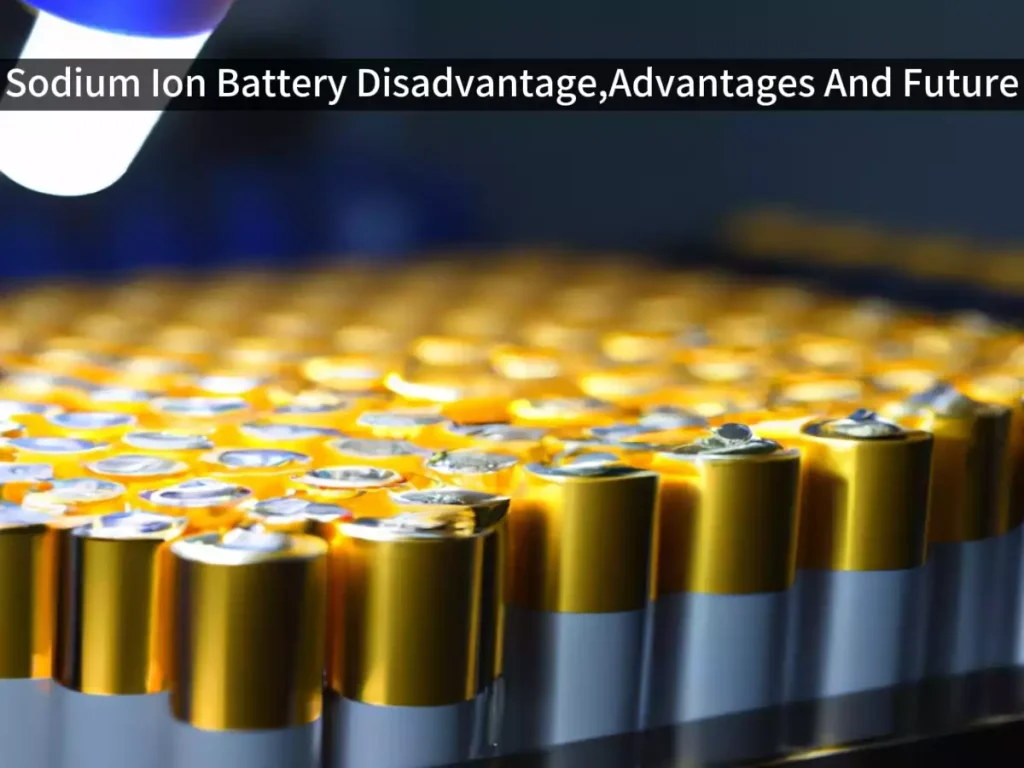
Sodium Ion Battery
Motawill sodium ion battery are innovative, cost-effective, and environmentally friendly energy storage solutions that excel in performance and longevity, making them ideal for renewable energy and electric vehicle applications.
-
26700 Sodium Ion Battery 3.1v 3300mah Na Ion Cell
$6.80Original price was: $6.80.$5.70Current price is: $5.70.Rated 5.00 out of 5 -
18650 Sodium Ion Battery 3.1v 1300mah Na Ion Cell
$3.99Original price was: $3.99.$2.69Current price is: $2.69.Rated 5.00 out of 5 -
12V 50Ah Car Sodium Ion Start-Stop Battery
$399.99Original price was: $399.99.$229.99Current price is: $229.99.Rated 5.00 out of 5
Features Of Motawill Sodium Ion Battery
Relative to lithium-ion battery, sodium ion battery have lower raw material costs.
Sodium ion battery can perform well at lower temperatures, but they cannot fully resist extreme cold.
Sodium ion battery have greater thermal stability and reduce the risk of thermal runaway
Sodium ions move faster in the electrolyte, which means sodium-ion batteries have good conductivity and charge/discharge efficiency.
Sodium ion battery allow for the design of different form factors and shapes, making them adaptable to a variety of applications and industries.
Sodium is more abundant and more readily available, which could reduce the environmental burden of battery production.
Sodium Ion Battery FAQ
A sodium ion battery is a type of rechargeable battery that uses sodium ions as the charge carriers during the chemical reactions within the battery, similar to how lithium ions function in lithium-ion batteries.
Sodium ion battery use sodium ions for energy storage, while lithium-ion batteries use lithium ions. Sodium is more abundant and cheaper than lithium, potentially offering a more cost-effective and environmentally friendly alternative.
Sodium ion battery are being developed for various applications, including grid energy storage, renewable energy integration, portable electronics, and potentially electric vehicles, among other uses.
Sodium ion battery are still under development and might not yet match the energy density and performance levels of mature lithium-ion technology.
Due to their chemical properties, sodium ion battery have higher safety characteristics than lithium ion battery , particularly in terms of reducing the risk of thermal runaway.
Some challenges include improving energy density, cycle life, and overall performance to match or exceed lithium-ion batteries, as well as developing suitable electrode materials and addressing stability issues.
sodium ion battery might have a lower environmental impact compared to lithium ion battery due to the abundance of sodium and reduced mining activities associated with lithium extraction.
Sodium ion battery are in the early stages of development and are not yet widely commercialized.
The cost of a sodium-ion (Na-ion) battery cell is anticipated to range from $30 to $70 per kilowatt-hour (kWh), which contrasts with the average cost of approximately $138/kWh for a lithium-ion (Li-ion). Sodium-ion batteries offer several advantages, including enhanced safety features such as a broader operating temperature range and stability.